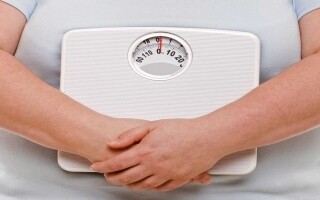
Data indicates that the obesity rate among the Vietnamese population is lower than that of Japan, making Vietnam one of the Asian countries with the lowest individual body weight. Experts have confirmed that Vietnamese dietary habits are a key factor in this achievement. Specifically in Asia, Vietnam, with its low obesity rate and healthy eating habits, serves as a model to follow. According to the latest health information reported by the 'Oriental Look' website, the obesity rate among adult women in Vietnam is about 3.3%, while for men it is 2.2%. These dishes are prepared simply, contain small amounts of oil and sugar, have low calories, but are highly nutritious. Furthermore, the moderate portion sizes and high level of physical activity in Vietnamese diets help effectively control calorie intake and promote overall health. Experts recommend prioritizing fat intake over simply reducing carbohydrates or portion sizes. Losing 5% of body weight can significantly reduce the risk of high blood pressure, high cholesterol, diabetes, and fatty liver disease, while losing 10% of body weight can further reduce the risk of cardiovascular diseases. Vietnamese healthy eating habits offer important insights. Effective weight loss depends on learning to 'eat the Vietnamese way,' which involves not only choosing the right foods but also adopting a healthy lifestyle. Increasing vegetable intake, choosing dishes low in oil and sugar, eating in moderation, and increasing daily physical activity are effective ways to lose weight. The daily Vietnamese diet, including dishes like vegetable spring rolls and salads, is typically rich in fresh vegetables, herbs, and seafood. With the growing global health awareness, obesity has become a common challenge for many countries.